Plumbing systems form the backbone of every modern household and commercial property. From supplying clean water to removing waste efficiently, pipes and fixtures perform tasks that are often taken for granted—until something goes wrong. Leaks, bursts, and blockages are not just inconvenient; they can also be costly to repair and damaging to property. One of the most effective strategies for avoiding these disruptions is preventative plumbing maintenance.
Unlike reactive repairs, which deal with damage after it occurs, preventative care focuses on early detection and routine upkeep. This approach not only helps in addressing common plumbing problems before they escalate but also plays a significant role in extending the lifespan of pipes and fixtures. By incorporating regular checks and adopting best practices, property owners can safeguard their plumbing systems, conserve water, and reduce long-term costs.
This blog explores why preventative plumbing maintenance matters, what it involves, and how it can protect your property for years to come.
1. Why Preventative Plumbing Maintenance Matters
Pipes and fixtures are subject to daily wear and tear. Over time, even minor issues—such as slow leaks or mineral buildup—can lead to major breakdowns if left unattended. Preventative plumbing maintenance is designed to catch these small issues early.
Without regular maintenance, the risk of facing common plumbing problems such as dripping faucets, clogged drains, or low water pressure increases significantly. These issues might seem minor at first but can lead to larger repairs, structural damage, or even health hazards due to mold and dampness. Routine checks, on the other hand, keep plumbing systems efficient, prevent water wastage, and ensure long-term reliability.
2. Extending the Lifespan of Pipes
One of the greatest benefits of preventative plumbing maintenance is its ability to extend pipe longevity. Pipes are exposed to constant water pressure, temperature fluctuations, and chemical content in water. Without maintenance, they can corrode, weaken, and eventually burst.
For instance, mineral deposits in hard water can accumulate inside pipes, restricting flow and causing premature wear. Routine flushing and inspection remove these deposits, allowing pipes to function properly for longer. Similarly, identifying early signs of corrosion or stress gives property owners the chance to replace small sections before an entire system fails.
Preventative care ultimately delays the costly process of full pipe replacement, making it a practical long-term investment.
3. Common Plumbing Problems Addressed Through Maintenance
Regular inspections help property owners avoid many of the common plumbing problems that disrupt daily life. Some of these include:
- Leaky faucets and fixtures – Worn-out washers or seals can waste gallons of water over time.
- Clogged drains – Accumulated grease, hair, and debris block water flow, leading to unpleasant odors and backups.
- Low water pressure – Often caused by hidden leaks or mineral buildup, this issue makes everyday tasks frustrating.
- Running toilets – A faulty flapper or valve leads to continuous water loss, increasing utility bills.
- Burst pipes – Sudden changes in water pressure or freezing conditions can cause catastrophic damage.
By addressing these issues proactively, preventative maintenance ensures smooth operation while conserving water resources.
4. Cost Savings from Preventative Plumbing Maintenance
Many homeowners hesitate to schedule routine inspections, assuming it’s an unnecessary expense. However, research shows the opposite: maintenance significantly reduces the likelihood of major repairs.
Consider the following comparison:
| Aspect | Without Maintenance | With Preventative Maintenance |
| Pipe Lifespan | 20–30 years (prone to early corrosion) | 40–50 years (with timely care) |
| Repair Costs | Frequent emergency repairs (higher costs) | Minimal minor repairs (lower costs) |
| Water Bills | High due to unnoticed leaks | Reduced through efficient water use |
| Risk of Property Damage | Significant (mold, flooding, structural damage) | Minimal (issues caught early) |
As the table highlights, a small investment in maintenance can save thousands in long-term repair and replacement costs.
5. Environmental Benefits of Preventative Care
Beyond financial savings, preventative plumbing maintenance also supports sustainability. Undetected leaks are a major contributor to water waste, with the Environmental Protection Agency (EPA) reporting that household leaks can waste nearly 10,000 gallons of water annually. Routine maintenance not only helps homeowners reduce bills but also conserves a valuable natural resource.
For more insights on water conservation, you can refer to the official U.S. Environmental Protection Agency (EPA) website.
By adopting preventative measures, property owners contribute to environmental protection while ensuring efficient plumbing performance.

6. Best Practices for Preventative Plumbing Maintenance
Carrying out preventative plumbing maintenance does not always require professional intervention. Homeowners can adopt several practices to maintain their plumbing systems:
- Inspect for leaks regularly around sinks, toilets, and under appliances.
- Clean drains using natural methods like baking soda and vinegar to prevent blockages.
- Insulate pipes to protect against freezing during colder months.
- Check water pressure with simple gauges to ensure it’s within safe levels.
- Schedule professional inspections annually to detect hidden issues.
These practices, when performed consistently, protect against common plumbing problems while improving overall system reliability.
7. Role of Professional Inspections
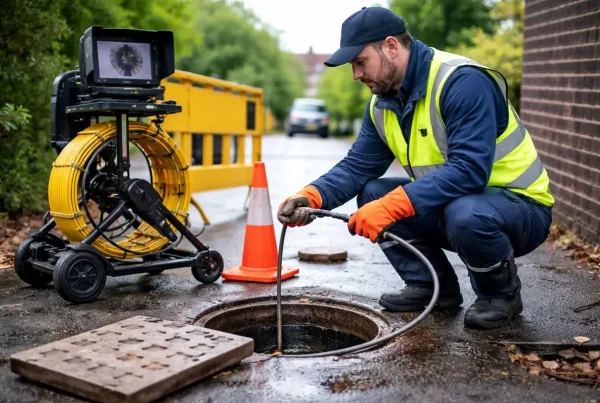
While homeowners can handle basic upkeep, some aspects of preventative plumbing maintenance require professional expertise. Licensed plumbers use specialized equipment such as cameras for pipe inspections, pressure tests, and leak detection tools.
Professional inspections are especially crucial in older homes, where outdated pipes may be prone to corrosion and blockages. Detecting early warning signs through expert analysis ensures the system remains compliant with safety standards and prevents emergencies.
8. The Long-Term Value of Preventative Plumbing Maintenance
Investing in maintenance today pays dividends in the future. By extending pipe lifespan, reducing water bills, preventing property damage, and promoting environmental sustainability, preventative plumbing maintenance proves its long-term value.
Property owners who adopt preventative strategies rarely face sudden plumbing breakdowns. Instead, they enjoy peace of mind, knowing their system is operating efficiently and reliably.
FAQs
-
What is preventative plumbing maintenance?
Preventative plumbing maintenance involves routine inspections, cleaning, and minor repairs to keep plumbing systems in good condition. It focuses on identifying issues early before they develop into major common plumbing problems like leaks or blockages.
-
How often should plumbing systems be inspected?
Experts recommend scheduling professional plumbing inspections at least once a year. However, older properties or homes with recurring common plumbing problems may benefit from more frequent checks.
-
Can preventative plumbing maintenance reduce water bills?
Yes. By fixing leaks, adjusting water pressure, and maintaining efficient fixtures, preventative plumbing maintenance minimizes unnecessary water waste, leading to lower monthly bills.
-
What are the most common plumbing problems that maintenance prevents?
Some of the most frequent issues include leaky faucets, clogged drains, running toilets, and low water pressure. Regular maintenance helps detect these problems early, preventing costly repairs.
-
Is preventative plumbing maintenance worth the cost?
Absolutely. While there is a small upfront cost, the savings from avoiding emergencies, reducing water bills, and extending the lifespan of pipes and fixtures make it a valuable investment.