Imagine waking up on a sunny morning in Bayswater, coffee in hand – and then you flush, and nothing goes down. Great, now your toilet’s blocked. Talk about a buzzkill! In fact, many people start Googling “toilet clog remover“ when this happens. From plungers to chemical bowl cleaners, the options seem endless. Now what? You’ve got two main choices: be your own hero with DIY hacks, or call Royal Flushed Plumbing & Gasfitting to save the day. Let’s break down both approaches and find out what really works.
What Causes Toilets to Clog in Bayswater?
Before we compare solutions, let’s chat about the culprits behind a blocked toilet. In Bayswater (like anywhere), toilets clog from the usual suspects: too much toilet paper, flushable wipes, hair, soap, and random objects (think kids’ toys!). Even items labeled “flushable” often aren’t and just gunk up the pipes. In fact, Sydney Water drives home flushing only the three P’s (pee, poo and toilet paper) – everything else belongs in the bin.
If your shower or sink is gurgling every time you flush, that signals a deeper clog in the main sewer line. But for a stand-alone toilet clog, one of the above culprits is usually to blame. Now that we know why things back up, let’s tackle how to fix them!
DIY Clog-Fighting Essentials
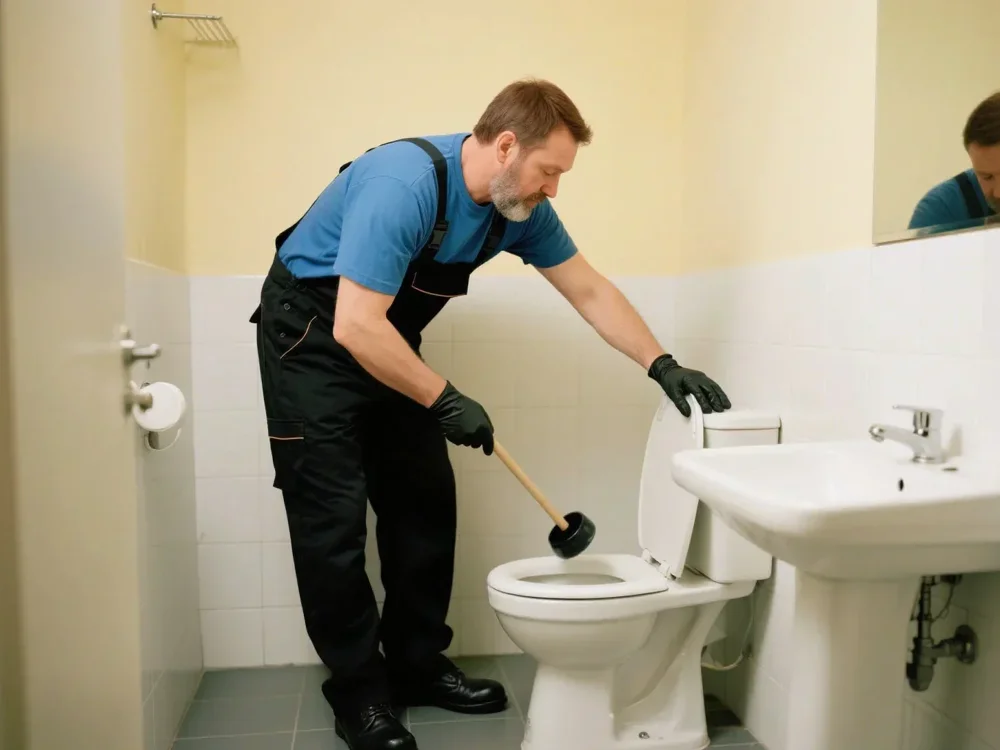
When it comes to clearing a clog, start simple. A proper toilet plunger is often your best first tool. (Many locals have found that despite dozens of store-bought toilet clog remover products on the market, a heavy-duty plunger often does the trick.) Submerge it over the hole and push-and-pull firmly 15–20 times – that vacuum action usually breaks the seal of a minor jam. If that doesn’t work, a hand-crank toilet auger (drain snake) is the next step. Feed the snake into the bowl and crank the handle; it can hook or break up the blockage. (Word of caution: don’t force it too hard, or you risk scratching the porcelain or pushing the clog farther down.)
No plunger on hand? Try some home remedies. Pour a squirt of dish soap into the bowl and follow with warm (not boiling) water. Let it sit 10–15 minutes – the soap lubricates the trap and helps loosen debris. A mix of baking soda and vinegar can also fizz away organic buildup. These gentle methods can sometimes save a trip to the hardware store.
Quick DIY Dos and Don’ts:
- Do: Use slow, steady plunges with a good seal. Try a second plunger or dish soap + warm water as gentle helpers.
- Don’t: Pour boiling water (it can crack porcelain). Avoid harsh chemical drain cleaners or poking with metal hangers – these can corrode pipes or scratch the bowl.
Many ready-made “toilet clog remover” products (gels, tablets or dyes) promise quick fixes, but experts note they seldom clear tough clogs. In fact, these formulas often do more harm than good by corroding pipes. Save them as a last resort. In short, stick with the plunger or snake for small jams.
When to Hang Up the Cape and Call a Pro
DIY is great for quick fixes, but sometimes a clog needs professional firepower. If your toilet stubbornly refuses to flush after plunging and snaking, call an expert. (If a clog has outlasted your best plunges and snaking attempts, it’s time to hire a pro – or you risk pushing it deeper.) Also, watch for red flags: if your shower or sink starts gurgling, or if water is threatening to overflow, the problem is likely deep in the sewer. For any major blockage, you’ll want a professional toilet clog remover on the job.
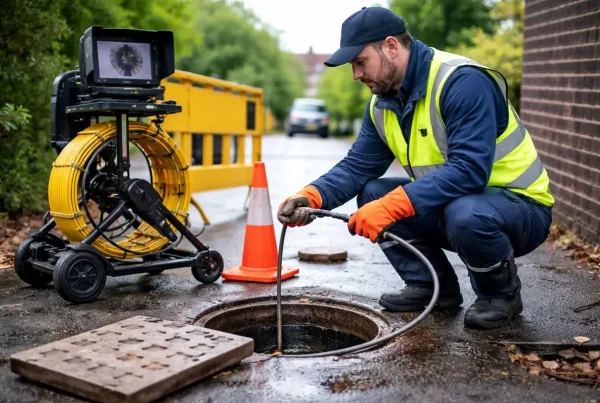
Licensed plumbers in Bayswater come armed with industrial gear – think 15‑metre drain snakes and 1000 psi hydro-jetters. They’ll diagnose root causes (tree roots in old lines, collapsed sections, or heavy sludge) and clear them safely. Plus, they often guarantee their work, giving you extra peace of mind. In short, an expensive call-out is worth it if it prevents a DIY disaster – and saves you future headaches.
Cost vs Peace of Mind
You might wince at the price of a plumber, but think long-term. Professional toilet unclogging typically runs from about $85 to $600 depending on how tough the job is, but that covers fast diagnosis and a reliable fix. Many Bayswater plumbers provide warranties – if the clog returns, they’ll come back at no extra cost. Contrast that with DIY: an overflow or cracked toilet from a mistake could cost far more to repair. Think of a plumber as your guaranteed toilet clog remover in a pinch; sometimes paying once is cheaper than a DIY disaster.
Prevention and Maintenance
Preventing clogs is easier than fixing them. Follow these tips:
- Flush Smart: Only flush pee, poo, and toilet paper. Keep a bin by the loo for wipes, tissues, cotton buds, dental floss, etc. These are huge clog culprits.
- Limit Toilet Paper: Use a moderate amount per flush. If needed, flush twice to ease the load. Excess paper can overwhelm a low-flow toilet or stick in older pipes.
- Plan Ahead: If you’re installing toilet plumbing or doing a bathroom remodel, have your plumber check the drains first. Good bathroom remodel contractors will ensure pipes are clear and correctly sloped. Consider scheduling a blocked drain clearing before or after a reno – it’s easier than facing clogs later.
- Regular Checks: Even trouble-free drains can harbor hidden buildup. A professional camera inspection or hydro-jet can clear roots, grease or mineral scale. A little maintenance goes a long way toward hassle-free bathrooms.
Conclusion
In the battle of DIY vs professional toilet clog remover, both sides have perks. Minor jams? A plunger or home hack can save the day. Big or persistent clogs? Calling in the pros is the smartest move. Royal Flushed Plumbing & Gasfitting is your local clog hero. We offer fast, reliable blocked toilet solutions and full residential plumbing services right here in Bayswater. Our expert team has the tools and know-how to get your loo working again and your morning stress-free – we’re here to help! Think of us as your one-stop Toilet Clog Remover team.
Don’t let a clogged toilet ruin your day. For expert toilet clog remover service and plumbing care in Bayswater, contact Royal Flushed Plumbing & Gasfitting. Our friendly licensed plumbers will clear the clog, fix any hidden issues, and get your bathroom back in royal order. For Bayswater’s toughest clogs? Think of us as the toilet clog remover backup on speed dial!
FAQs About Toilet Clog Remover in Bayswater
-
How do I unclog a toilet at home?
For a simple clog, start with a flange plunger (the best DIY toilet clog remover tool). Push it up and down 15–20 times to break the seal. If that doesn’t clear it, try a toilet auger (snake) to reach deeper debris. Some home remedies can help: a squirt of dish soap and warm water or a baking soda + vinegar fizz can lubricate and break down minor clogs. Flush only waste and toilet paper, and avoid repeated flushes when the bowl is full.
-
Are chemical drain cleaners safe for toilets?
No. Experts warn that harsh chemical cleaners rarely fix toilet clogs and often corrode plumbing. Using them is risky – they can turn a small clog into a bigger problem by damaging seals or pipes. It’s best to avoid chemical fixes and call a plumber for stubborn blockages.
-
When should I call a professional plumber for a clogged toilet?
Call a plumber if plunging and snaking don’t work after a couple of tries. Also call if water is about to overflow, multiple fixtures are backing up, or the toilet keeps clogging over and over. In short, any serious blockage (gurgling, sewage smell, recurring clogs) means it’s time to get a professional toilet clog remover on the job.
-
What is the best toilet clog remover tool?
For homeowners, a quality toilet plunger (flange type) is usually the best first tool. If that doesn’t work, a toilet auger (snake) can break up deeper clogs. Professionals use heavy-duty snakes and hydro-jetting to clear the toughest blockages. Essentially, the “best” remover depends on the clog’s depth: start simple, and escalate if needed.
-
Are there any recommended store-bought toilet clog remover products?
Honestly, most experts agree that no store-bought product beats a good plunger. Products labeled "toilet clog remover" (enzymatic tablets, gels or sink powders) rarely clear tough clogs. Save your money and stick with plunging and snaking – or call a plumber for stubborn blockages.