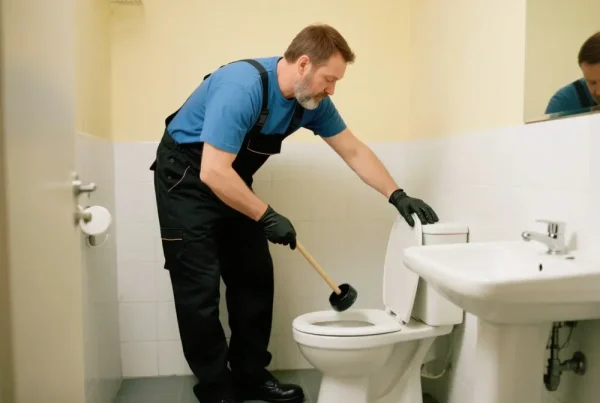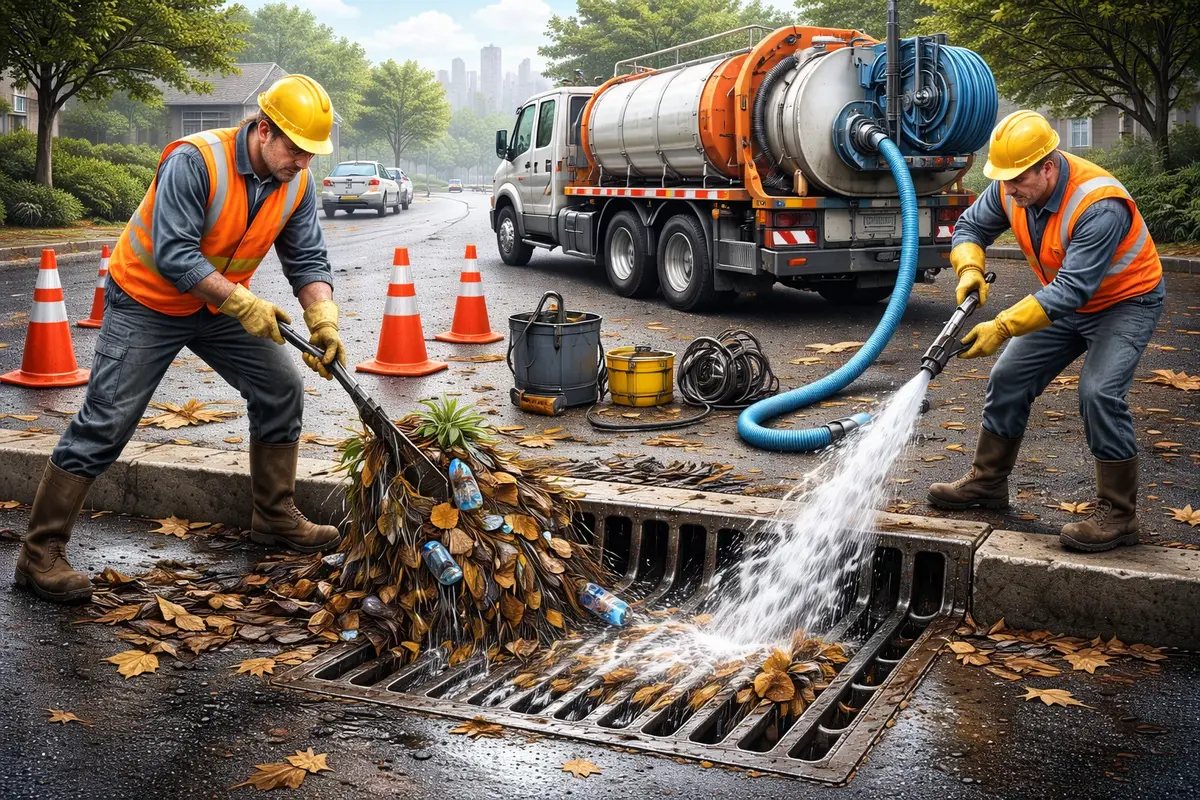
It’s a damp Wednesday in Bayswater and you’re about to pour your morning coffee… when suddenly the kitchen sink gurgles ominously. You cough at a whiff of something foul, glance nervously at the overflowing bathtub, and think: “This is exactly what a home maintenance nightmare looks like!”. In a city where home life feels as smooth as the swish of a designer suit, blocked drain issues are the unwanted wrinkle. Ignoring them won’t make them vanish – in fact, Australian plumbers warn that a stubborn blockage restricts water flow and creates nasty odours in your living space.
Cue the hero (that’s you): recognise the red flags early and act fast. In this guide, we’ll walk you through the most telling symptoms of a plugged Bay water drain and why immediate blocked drain clearing is your best move. By spotting these signs early, you’ll save yourself from a plumbing catastrophe (and an even bigger repair bill). Let’s dive in.
1. Slow Drainage and Frequent Clogs
Has your shower puddled like a mini swimming pool or your sink taken ages to drain after shaving? Sluggish water flow is often the first whisper of trouble. When the sink takes forever to clear, or the bathtub stays half-full, your pipes are screaming for help. This can be caused by grease, soap scum, hair or food waste building up inside. In fact, over 80% of clogs start with hair in bathroom pipes. When water “slinks” down at a snail’s pace, it’s not just annoying—it’s a warning.
What’s worse is when clogs keep coming back in different rooms. If you plunge the kitchen sink today and the toilet tomorrow, you might have a main sewer clog. Australian plumbers note that if multiple fixtures are gurgling or backing up, the blockage could be deep in the main line. Recurring clogs that happen week after week are not normal. They hint at a stubborn obstacle further down your drainage network. The takeaway? If you’re constantly plunging and snaking drains, call a professional blocked drain clearing service before it turns into a burst pipe emergency.
2. Weird Noises and Bad Smells
Ever heard your drain make ghostly sounds? A gurgling or bubbling noise when the shower’s on or after flushing the toilet is an eerie clue. It sounds like your bathroom pipes are trying to sing a spooky tune—and not in a good way. These noises mean air is trapped in the water flow, a classic symptom that water can’t pass easily because of a blockage. It’s kind of like trying to suck a milkshake through a straw with a clog – all the air bubbles surface as strange sounds.
And then there’s the dreaded funk factor. When foul odours waft up from a sink or shower drain, it’s not your fancy soap— it’s sewage or rot. Persistent sewage stench coming from your pipes is a tell-tale sign that gunk (food waste, mold, grease) is piling up in there. That smell is literally your house’s way of saying “please clean me!” The smell gets worse over time and can even waft into living areas. If you catch a whiff of something foul, treat it like fire smoke—investigate immediately. Foul smells near drains are as unmistakable as spilled wine on a white rug; they demand instant action.
3. Water Backing Up and Overflowing
One of the clearest alarms is water that doesn’t just slow, but reverses direction. Picture this: you flush the toilet and water bubbles up into the tub, or rinsing dishes in the sink makes the water rise over the plughole. That’s an emergency in the making. Water backing up is like your drain screaming, “I’m full!”. When sinks, toilets or showers overflow, it means the blockage is severe. Water often has nowhere else to go, and that’s when it finds the lowest point – which, unfortunately, might be your bathroom floor.
Even an overflow from one fixture into another (for example, toilet water spilling into the shower) is a sign the whole drainage system is under pressure. This isn’t a time for DIY chemical drain cleaners—they’ll just make the problem nastier. Call in the pros. Blocked drain clearing needs an immediate response when water levels start rising. A DIY plunger or vinegar rinse won’t cut it with a serious backflow; only expert tools like a high-pressure jet or drain camera will fix the route. In plumbing terms, an overflowing toilet or sink is as urgent as a fire alarm going off – evacuate the “party” and ring your trusted Bayswater plumbing team ASAP.
4. Recurring Clogs Across Fixtures
If your Batmobile had flaky brakes, you’d get it checked. Similarly, if clogs keep happening in multiple drains, there’s likely a main problem at play. It’s one thing to have a slow shower once, but a pattern of blockages is a bright red warning. Think of it like breaking the speed limit repeatedly – eventually, you’ll hit a brick wall.
Professional plumbers highlight that consistent blockages in different pipes often point to a blockage deep in the sewer line or main drain. Such repeated issues suggest that no matter how many times you clear one drain, the trouble simply moves or waits to pop up somewhere else. That’s a sign you shouldn’t ignore. Even if you (or an internet-dubbed “DIY sensei”) fixed your kitchen sink last week, if today the shower or toilet is clogged, it’s time for high-pressure blocked drain clearing. The risk of waiting? Wastewater begins to seep into floors or even yards — yuck and ruinous.
5. Unusual Wet Spots and Flooding
Is your garden suddenly soggy or an indoor floor damp for no reason? Damp patches or water pooling in odd places – like a pond in the backyard or wet spots on the laundry floor – can reveal a hidden leak from a blocked line. It’s a sneaky sign: water is backing up and escaping where it shouldn’t. Even moldy smells or puddles under your house can signal a drain that’s overflowing somewhere behind the scenes. According to Australian water authorities, sewage overflows pose health risks and should be addressed immediately.
Think of your plumbing like your home’s backstage area. A minor leak there might go unnoticed until it spreads. One day, a tiny puddle turns into soggy drywall or warped timber. Aussie plumbers stress that standing or stagnant water means “urgent attention needed”. Not only is this unsanitary (hello, mosquitos!), it can cause slip hazards and structural damage. If you see unexplained drips or the yard looking waterlogged, don’t wait for a second, hidden bathroom tap to trickle up – call a plumber for blocked drain clearing. A quick trip of water can become a tidal wave of problems if ignored.
Table: Common Culprits and Their Clues
| Culprit | Location/Clue | Why It Matters |
| Hair & Soap Scum | Bathroom sink/shower (slow drain, gurgles) | Tangled hair catches other debris, blocking flow. Over 80% of clogs start this way. |
| Grease & Cooking Oil | Kitchen drain (slow sink, odors) | Harden when cool, stick to pipe walls and trap food scraps. |
| Wet Wipes & Sanitary Items | Toilet (repeated blockages, backflow) | Even “flushable” wipes or pads cause severe toilet/sump clogs. |
| Tree Roots | Yard or sewer line (multiple fixtures clog) | Roots grow into cracks, causing deep underground blockages. |
| Mineral Buildup/Sediment | Hard water areas (drips, low flow) | Scale narrows pipe diameter over years, eventually clogging it. |
Each of these household culprits can leave their calling card – a clue that blocked drain clearing is needed. The table above helps decode the signs. For example, if every drain in the house starts lagging at the same time, suspect roots or a sewer issue. If it’s just the shower after shampooing, hair is the likely culprit. In any case, spotting patterns is key to nipping the problem in the bud.
6. Why You Can’t Ignore These Signs
Maybe you’re thinking, “It’s just a slow drain, I’ll deal with it later.” We get it – life gets busy. But here’s the deal: minor drain issues always become major headaches if you procrastinate. Left unchecked, a simple clog can escalate into burst pipes, water damage and skyrocketing repair bills. Plumbing experts caution that blockages place huge pressure on your pipes. Over time, that pressure can cause pipes to corrode, crack, or even collapse.
Imagine ignoring an earthing wire alert in an electrical system – it’s that dangerous. Slow drains and strange smells won’t magically go away (nor will clogged oil in an engine clear itself). Instead, mold may start growing behind your walls, or sewage could leak into your floors. Aussie plumbers are unanimous: prompt action is the best protection against nasty surprises.
And hey, blocked drains are not a badge of shame—they’re common. But brushing them under the rug (or dumping bleach down the sink) won’t help. If anything, chemical drain cleaners often just transfer the clog further down or damage pipes. Safe solution? A professional blocked drain clearing job. Plumbers have special tools (think hydro-jetting, snakes and cameras) that fix the root cause without wrecking your pipes.
7. Call an Expert (like your neighbourhood Royal Flushed)
At the end of the day, plumbing is one area where preventive heroics pay off. If any of the above signs ring true at your place, don’t wait – book a blocked drain clearing service. Your local experts at Royal Flushed Plumbing & Gasfitting will tell you that catching a blockage early saves you time, money and stress. Bayswater homes trust our team to quickly diagnose issues (via CCTV camera inspections, for example) and use high-power jets or drain snakes to clear the line.
In fact, even the Water Corporation advises that when wastewater starts overflowing, it’s a 24/7 emergency – call them on 13 13 75 immediately or get your plumber on it. But remember: if it’s inside your property, it’s usually your responsibility to fix it. We suggest giving Royal Flushed a ring if water’s creeping up any crevices or if drains keep misbehaving. Our 24/7 emergency plumbing services mean we can be there even on a midnight dash – because an ounce of proactive blocked drain clearing is worth a pound of water damage later.
8. Prevention: Simple Tips to Keep Drains Clear
Of course, the best sign of a blocked drain is no sign at all. Here are some easy lifestyle tweaks (and even a bit of DIY) to reduce the odds of blockage:
- Install strainers on sinks and shower drains to catch hair and food bits.
- Avoid pouring grease down the sink. (Collect cooking oil in a jar and dispose of it when cold.)
- Flush wisely: Only toilet paper and human waste should go down your loo. Keep wipes, cotton buds, and sanitary products in the bin.
- Monthly enzyme flush: Pour a cup of baking soda followed by a cup of vinegar down the drain once a month. Let it fizz for 30 minutes, then rinse with hot water.
- Regular maintenance: Consider an annual professional drain inspection or hydro-jet cleaning. It’s like a dental check-up for your pipes!
These steps, inspired by Aussie plumbing best practices, go a long way. Think of them as the morning coffee your drains deserve – simple, but it keeps the whole system humming smoothly.
Conclusion
Blocked drains may not be glamorous, but spotting the top signs early can save you from a plumbing horror show. From sluggish sinks and strange noises to nasty smells and sewage backups, each symptom is a clue that immediate blocked drain clearing is needed in your Bayswater home. Remember: once multiple fixtures act up, or water starts pooling where it shouldn’t, it’s time to call the professionals. By staying vigilant, following good drain habits, and getting help fast, you keep your home hygienic and hazard-free.
If you’re seeing any of these red flags, don’t let them slide. Contact Royal Flushed Plumbing & Gasfitting for prompt, reliable service. Our friendly experts have seen it all, and we’ll clear those drains so you can get back to enjoying life (and your showers) worry-free. Whether it’s routine drain cleaning or an emergency unblock, we’re here for Bayswater 24/7. Trust us, your drains will thank you (silently, of course).
Read Also: How Professional Stormwater Drainage Solutions Protect Bayswater Homes
FAQs Blocked Drain Clearing
-
What usually causes a blocked drain?
Common culprits are hair, grease, soap scum, food scraps, tree roots and non-flushable items. Over time these materials accumulate and obstruct the flow. In Australia, roots are a big issue too, as trees can infiltrate underground pipes.
-
What are the key signs my drain is blocked?
Look out for slow or standing water, gurgling sounds, foul odours near drains, water backing up in sinks/toilets, and any unexpected wet spots around your house. If these persist, you likely need a blocked drain cleared.
-
Can I fix a blocked drain myself?
Minor clogs might be helped with a plunger or safe enzyme cleaners, but many blockages require professional tools. Be careful: chemical drain cleaners can damage pipes. If simple fixes fail, it’s wiser (and often cheaper) to call a licensed plumber for proper clearing.
-
How soon should I schedule drain clearing?
As soon as you notice symptoms! Preventative maintenance is best – aim for an annual check-up – but whenever signs pop up (especially recurring issues), arrange clearance right away. Acting quickly keeps small clogs from becoming plumbing disasters.
-
Do plumbers do emergency drain clearing?
Yes. Many plumbing services, including Royal Flushed, offer 24/7 emergency response. If your drain is overflowing or you have raw sewage indoors, treat it as an urgent situation and ring the plumber immediately.