Ever had that heart-sinking moment when you flush and the loo starts to bubble up ominously? It’s the ultimate bogeyman of Bayswater bathrooms – the dreaded blocked toilet. Trust me, you’re not alone. At Royal Flushed Plumbing & Gasfitting, we’ve seen everything from rogue nappies to surprise toy trucks blocking the throne. But before you start cursing your plumbing luck, take a deep breath (and maybe some coffee) – clearing a stubborn clog is completely doable with the right blocked toilet solutions. In this guide, I’m walking you through top blocked toilet solutions in plain English. By following these tips, you’ll learn how to unclog any Bayswater loo, any time.
Flushables gone wild: Let’s start by understanding why toilets block in the first place. In simple terms, a toilet is one big S-shaped trap that only wants to see pee, poo and toilet paper (the classic “3 Ps”). If you send anything else down there, it’s basically asking for trouble. Think about it – wet wipes, cotton buds, tissues or even excessive toilet paper. These items are designed to stay strong and absorbent, so they won’t break down easily in water. For example, Barwon Water bluntly warns that “non-flushable wipes make up most of the rubbish items we find in sewer blockages”. Likewise, Sydney Water emphatically says only the 3Ps belong in the bowl. It’s not just toilet-talk – these agencies literally spend millions clearing blockages caused by stuff that shouldn’t be flushed.
Common culprits. Let’s list the usual suspects:
- Wipes and hygiene products: Even those “flushable” wet wipes will quickly jam up your pipes. Same goes for cotton buds, sanitary pads or dental floss – bin it, don’t flush it.
- Too much or thick toilet paper: Toilet paper is meant to dissolve, but hogging the roll spells trouble. A half-dozen thick squares (or more) can clump up the drain. Think twice about that ultra-soft, multi-ply toilet paper – it feels luxurious, but more ply = higher clog risk.
- Foreign objects (kids’ “treasures”): A curious toddler might flush a toy or even a credit card. Those items simply aren’t going anywhere. (True story: one Bayswater client found a Lego brick lodged in the bowl – cartoonishly tragic, but real.)
- Plumbing quirks: Some older homes in Bayswater have low-flow toilets or narrower pipes that get stuck on big flushes. Even tree roots can intrude into sewer lines and trap waste over time.
- Grease, fats and random gunk: Pouring cooking oil down a plughole only leads to hardened grease blocks. And of course, never flush paint, harsh chemicals or pet waste.
Each of the above can slowly turn into a full-on blockage. If water sits in the bowl after a flush, or you hear gurgling from below, chances are one of these culprits is the villain. Understanding why your toilet is blocked makes finding how to fix it (your blocked toilet solutions) much easier.
So – your toilet’s clogged. Now what? Don’t panic. First move: roll up your sleeves and grab the plunger.
DIY Blocked Toilet Solutions in Bayswater
Here’s where we dive into the fun part: fixing it yourself. These methods have saved many a midnight panic call. Think of each tip below as a blocked toilet solution ready to deploy:
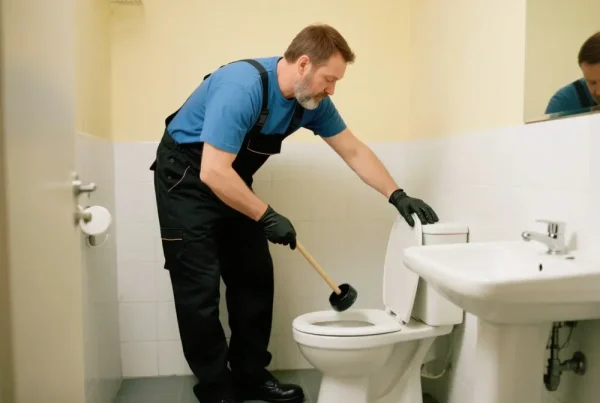
- The Plunger Tango: A good plunger (preferably a flange-style toilet plunger) can work wonders. Place it flat over the drain hole, push down gently to seal, then pull sharply – repeat 5–10 times. The suction can jar the clog loose. (As a plumbing blog explains, plungers create suction to break up blockages.) It’s old-school but often the fastest fix, making it one of the simplest blocked toilet solutions available. (Pro tip: if the bowl is nearly full, bail out some water first so plunging actually moves the clog.)
- Hot Water + Dish Soap: If plunging isn’t enough, introduce some soap and heat. Squirt in about 1/4 cup of dishwashing liquid, then add a kettle of hot water (not boiling, just hot) from waist height. The soap lubricates the clog and the heat helps dissolve it. Wait 10–15 minutes. This bubbly strategy is like a bubble bath for your pipes. It often melts away clogs; in fact, pros recommend it as a budget-friendly blocked toilet solution.
- Baking Soda + Vinegar Fizz: Pour 1 cup of baking soda into the bowl, then slowly add 1 cup of white vinegar. Step back and watch the fizz! That bubbly reaction can loosen organic gunk. After 10–15 minutes, pour another kettle of hot water in and flush. It’s a time-honoured remedy – CleanPlumber even calls this a “tried-and-true” clog-busting mix. Consider this your chemistry-blocked toilet solution.
- Wire Coat Hanger (DIY Snake): When you see the clog (or have exhausted other methods), break out a metal coat hanger. Straighten it and form a small hook, then wrap the hooked end in a rag or tape (to protect the porcelain). Gently feed it into the drain and feel for the blockage. Twist or push to break it up or pull it out. (Pro plumbers carry a drain snake, but this hanger hack is a classic homemade blocked toilet solution.) For example, plumbing guides suggest attaching a rag to avoid scratches, then working it in a circular motion.
- Wet/Dry Vacuum: Got a shop vac? Set it to wet mode (remove any filters) and see it become a mini force of nature. Place the hose over the drain (seal any gaps with towels), then turn on the vac. It can literally suck the clog out. (Important: a normal household vacuum WILL ruin itself here – only use a wet/dry shop vac.) Many experts note that a wet/dry vacuum is a top blocked toilet solution for tough clogs.
Be patient and gentle with each method. After trying each, flush just once to see if the water flows – avoid repeated forceful flushes which risk overflow or pushing the clog deeper into the pipes.
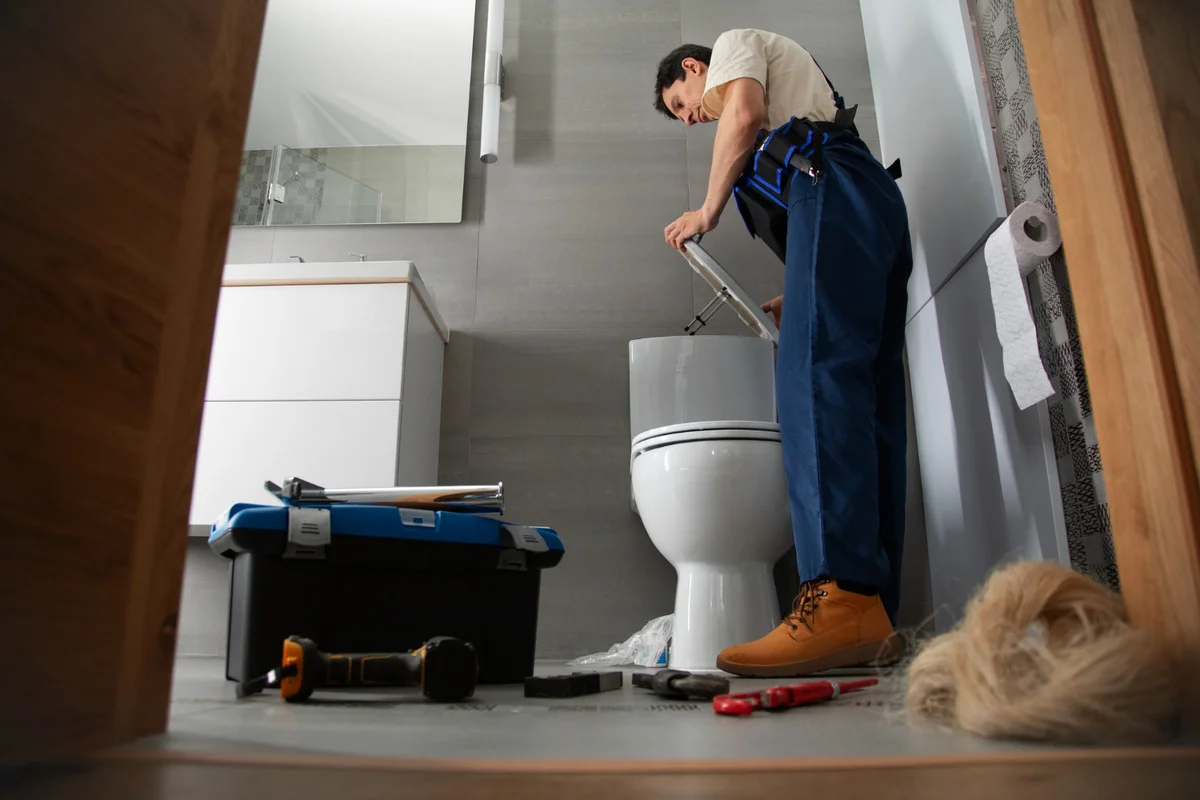
If DIY isn’t cutting it after these tricks, it’s time to call in reinforcements. Royal Flushed Plumbing & Gasfitting is on the way with cameras, high-pressure jetters and electric snakes – basically the heavy artillery for clogs. Forcing a stubborn clog can just push it deeper (and make it worse), so don’t hesitate to ring us if needed.
Meanwhile, note that cleaning products have a role and a risk. Enzyme-based drain cleaners or even dish soap are gentle helpers that break down organic matter without hurting your pipes. (They contain natural enzymes to digest waste.) However, skip the harsh chemical drain cleaners (industrial acids or bleach) – these can erode pipes and are dangerous to handle.
Preventing Future Clogs
Out of the frying pan and into the pot? Let’s make sure it doesn’t happen again. The best blocked toilet solution is prevention. Here’s your maintenance plan (think of these as preventive blocked toilet solutions):
- Mind the 3 Ps: Flush only pee, poo and toilet paper. No tissues, no baby wipes, no paper towels, no sanitary items, no cotton buds. If it won’t dissolve, bin it.
- Bathroom Bin: Keep a small rubbish bin handy. Perfect for “one-time” items like dental floss, tissues, cotton buds, sanitary products or that suspicious lint you don’t want in the drain.
- Regular (Gentle) Flushing: If a toilet isn’t used often, pour a pot of hot water down it now and then to keep water flowing. Every so often, flush a few sheets of plain toilet paper extra – they help clean the trap.
- Drain Covers: In showers/sinks, use mesh guards to stop hair and debris entering the sewer. If hair starts creeping toward the toilet drain, remove it. A little prevention (even a DIY drain guard in the bowl) can stop hairballs forming.
- Fix Leaks Promptly: A slow toilet leak or constant running can encourage mineral buildup. If you hear water dribbling or the bowl level changing, fix it ASAP – it just invites clogs otherwise.
At the end of the day, almost all clogs come down to what you flush. As Sydney Water — Australia’s major water & sewer authority — puts it: only flush the 3 Ps: pee, poo and toilet paper. Everything else? Keep that in mind, and most blocked toilet solutions will involve grabbing the plunger — not calling the plumber.
Conclusion
Blocked toilets can be the bane of any Aussie household, but armed with these blocked toilet solutions and a bit of determination, you can usually beat the clog yourself. We covered safe DIY fixes (plungers, soaps, fizzy mixes, even shop-vac tricks) and what not to flush. Remember – if you ever feel out of depth, the Royal Flushed Plumbing & Gasfitting team is just a call away. We’ll come to Bayswater and have your loo flowing again in no time.
Read Also: How to Choose the Right Residential Plumbing Services in Bayswater
Blocked Toilet Solutions FAQs
-
What’s the first thing to try when my toilet is blocked?
Start with a plunger. Use a good flange-style toilet plunger and plunge firmly a few times. It’s surprising how often a plunger alone solves the problem. If not, move on to next steps like dish soap or a wire hanger.
-
Are chemical drain cleaners safe for toilets?
Generally, no. Harsh chemicals can damage pipes (and they often won’t clear solid clogs). Better to use gentle remedies: dish soap, baking soda + vinegar, or enzyme cleaners. They break down waste without harming your plumbing.
-
How do I prevent clogs from happening?
Stick to the 3Ps – only flush pee, poo, and (toilet) paper. Bin everything else. Also, fix any leaks/running toilets quickly, and use drain covers in sinks to catch hair. These small steps are your best preventive blocked toilet solutions.
-
When should I call a plumber for a blocked toilet?
If DIY methods fail (after about 30 minutes) or if multiple fixtures are backing up, it’s time to call the pros. Deep blockages often need high-pressure jetting or an electrician’s snake. Royal Flushed is on call 24/7 for Bayswater, ready with all the heavy-duty equipment.
-
Is dish soap a good blocked toilet solution?
Yes! Dish soap plus hot water can often clear a partially clogged toilet by lubricating the blockage. It’s cheap and easy. Many people keep a bottle under the sink just for this reason.